
research paper literature review example
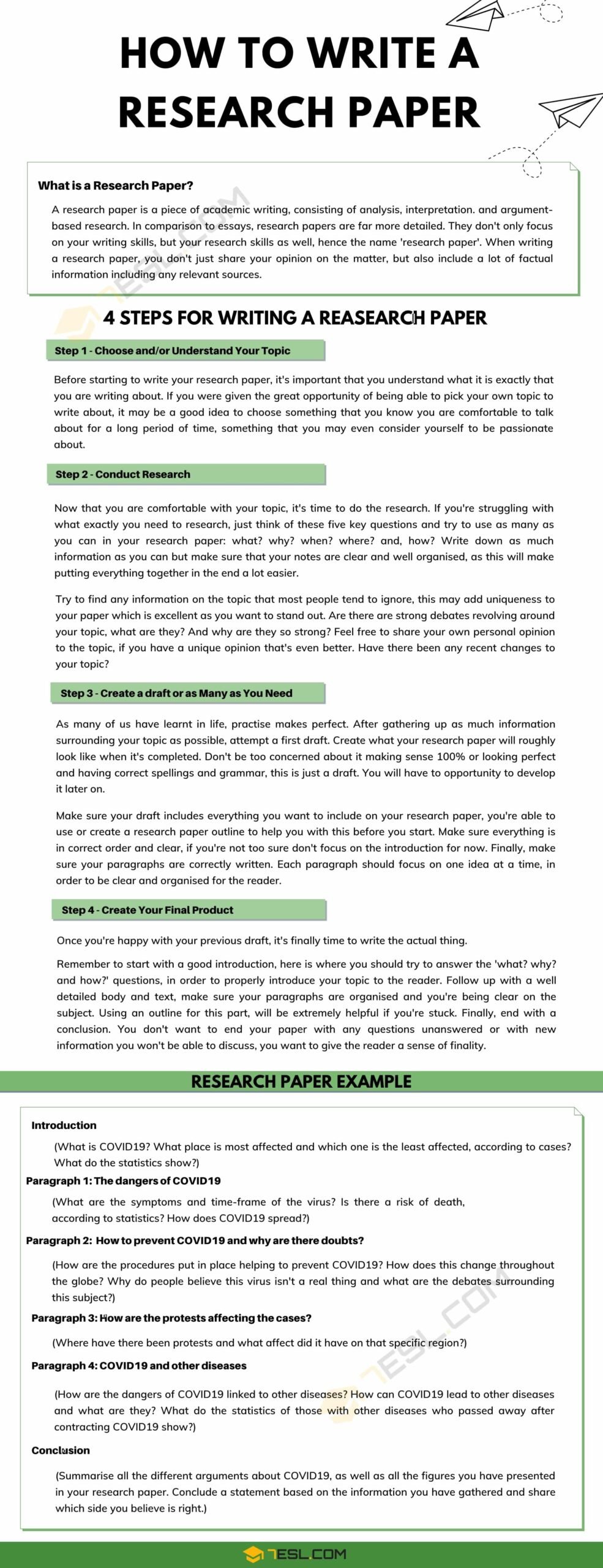
In the expansive realm of academic writing, a literature review serves as an essential cornerstone for any research paper. It is more than just a summary of existing studies; it is a critical analysis that contextualizes the current state of research within a specific field. Imagine standing on the shoulders of giants, where each piece of literature is a stepping stone leading to new insights and discoveries. By synthesizing previous findings, a literature review not only highlights the significance of a topic but also unearths relationships, debates, and gaps in the academic discourse.
In this article, we will explore a robust example of a research paper literature review, illuminating its structure, purpose, and the nuances that characterize an effective review. As we delve into key strategies for crafting a compelling literature review, we will draw on best practices that underscore the importance of this scholarly endeavor. Whether you are a novice researcher or a seasoned academic, understanding the intricacies of literature reviews will enhance your ability to articulate the relevance of your work and contribute meaningfully to your field. Join us as we dissect the elements of a successful literature review, providing you with practical insights that can elevate your research endeavors.
Understanding the Purpose of a Literature Review in Research Papers
A literature review serves as the foundational framework for any research paper, offering a synthesis of existing knowledge while illuminating gaps that your study aims to fill. It is not merely a summary of previous works, but an analytical discourse that contextualizes your research within the broader academic dialogue. By critically engaging with relevant texts, you can demonstrate your understanding of the topic and establish credibility in your field. The key purposes of a literature review include:
- Identifying gaps: This process reveals areas that lack sufficient research, suggesting paths for future inquiry.
- Establishing context: It situates your research in relation to existing studies, highlighting its relevance and necessity.
- Guiding methodology: Reviewing past approaches can inform your own research design and methods.
In addition to identifying these aspects, a well-crafted literature review can also illuminate trends, controversies, and pivotal debates within your field. This scrutiny allows researchers to navigate complex theories and practical implications, making it easier to position their work. It often involves organizing the literature into a synthesized overview, which can be done effectively through strategies such as thematic categorization or chronological timelines. The table below illustrates how one might categorize findings in a literature review:
| Study | Main Finding | Relevance to Your Research |
|---|---|---|
| Smith et al. (2020) | Identified key variables impacting X. | Offers foundational data for your hypothesis. |
| Jones (2019) | Highlighted missing elements in Y studies. | Justifies the need for your research focus. |
| Chen & Lee (2018) | Provided methodological insights for Z. | Informs your approach and strengthens your methodology. |
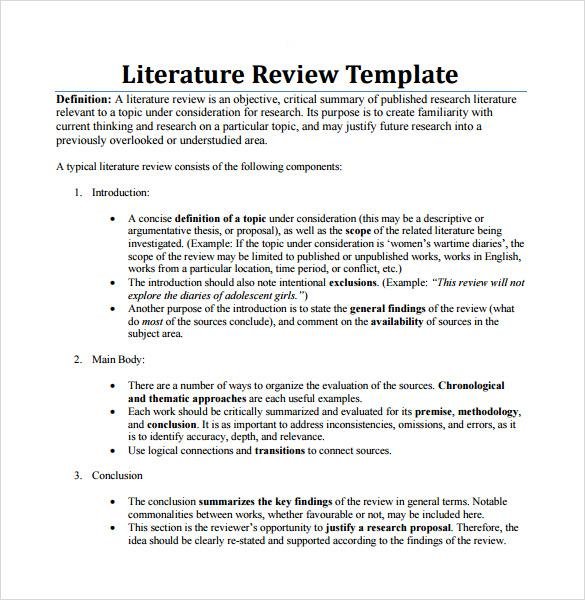
Key Components of an Effective Literature Review
An effective literature review serves as the backbone of any research paper, weaving together existing knowledge while highlighting gaps that pave the way for new inquiries. Key components include a clear thematic organization that clusters studies by topic rather than summarizing each individually. This approach not only enhances readability but also allows for a critical evaluation of contrasting perspectives and methodologies. Additionally, the inclusion of recent and relevant sources is crucial, as it ensures that the review reflects current thinking and advancements in the field, providing a strong contextual framework for the research question.
Another essential element is the incorporation of a critical analysis, where the strengths and weaknesses of the studies are examined. This involves moving beyond mere summaries to assess the methodologies, findings, and implications of existing literature. Furthermore, establishing a theoretical framework can significantly enrich a literature review, offering a lens through which to interpret the findings of previous research. Below is a simple representation of these components:
| Component | Description |
|---|---|
| Thematic Organization | Grouping studies by common themes for coherence. |
| Recent Sources | Utilizing updated literature for relevance. |
| Critical Analysis | Evaluating and interpreting the literature. |
| Theoretical Framework | Guiding lens for analyzing existing research. |

Analyzing Existing Research: Strategies for Comprehensive Coverage
In the realm of academic research, effectively analyzing existing studies is crucial for providing a comprehensive foundation for your own work. To begin with, it’s essential to identify key themes within the existing literature. This can be done by categorizing studies according to various aspects such as methodology, findings, and theoretical frameworks. Additionally, drawing connections between different studies can illuminate trends and gaps in the research. Consider employing thematic analysis, which involves summarizing previous findings while also critiquing their strengths and weaknesses. This approach not only enhances understanding but can also guide your research questions more precisely.
Moreover, incorporating a structured approach to summarizing the literature increases the clarity of your review. You might use tables to categorize findings effectively, showcasing comparisons across studies. For instance, a table could highlight research focus, sample size, and results of key studies, making it easy to visualize important elements at a glance. Here’s a sample layout:
| Study | Research Focus | Sample Size | Main Findings |
|---|---|---|---|
| Smith et al. (2021) | Impact of X on Y | 200 | Positive correlation found |
| Johnson (2020) | Effectiveness of Z Strategy | 150 | Significant improvement noted |
| Lee & Wong (2019) | Long-term implications of X | 100 | Negative effects over time |
This method not only saves space but also enhances the reader’s ability to engage with the data meaningfully. By synthesizing literature in an organized fashion, you not only respect the contributions of previous researchers but also lay the groundwork for a compelling narrative in your literature review.

Crafting a Coherent Narrative: Techniques for Organizing Your Review
To create a compelling literature review, it’s essential to implement a framework that guides the reader through your research journey. One effective technique is to organize your review thematically, which allows you to group relevant studies and theories under distinct categories. For example, if your topic relates to environmental sustainability, you might consider organizing your literature around themes such as policy frameworks, technological innovations, and community initiatives. This structure not only clarifies the relationship between different works but also highlights gaps where further research is needed. Complement your themes with subheadings that succinctly encapsulate each section’s focus, making it easier for readers to navigate your narrative.
In addition to thematic organization, employing a chronological approach can be beneficial, especially when illustrating the evolution of a research concept. Such an approach allows you to map how theories and practices have changed over time. To visualize this, consider using a simple timeline table that outlines key studies, their publication years, and pivotal contributions to the field. Here’s an example to illustrate this:
| Year | Study | Contribution |
|---|---|---|
| 2015 | Smith et al. | Introduced the concept of circular economy. |
| 2017 | Johnson & Lee | Identified key barriers to sustainable practices. |
| 2020 | Garcia | Proposed a model for local community engagement. |
In Summary
crafting a literature review is a vital step in the research process that bridges the gap between existing knowledge and the questions you aspire to explore. By examining key works, identifying themes, and highlighting gaps in the literature, you not only provide context for your own study but also contribute to the ongoing scholarly conversation within your field. Remember, a well-structured literature review is not just a summary of past research; it serves as a roadmap that guides your academic journey. As you embark on your own literature review, consider the examples discussed, and allow them to inspire a thorough and engaging synthesis of the current state of knowledge. Your inquiry could be the next building block in your discipline’s evolving narrative. Happy researching!